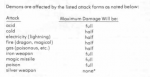
I think 5e could have merged bludgeoning, piercing and slashing damages into one type -- "weapon".
There's at least three more modifiers that apply to lots of weapon damage, much more frequently than the distinction between piercing and bludgeoning: magical, silver, and adamantine. Those don't even get damage types, and that seems particularly silly to me given how many monsters give a four clause predicate for the resistance line.
I think bludgeoning, piercing and slashing could instead have been weapon properties without having to be bolted into the damage system, given that. Actually, I'd've gone even further; sure, skeletons could be "vulnerable bludgeoning" -- but they could be "vulnerable weapons with the heavy property" instead, just as reasonably.
But without listing "this weapon cuts things", I don't think you could ever get trolls' loathsome limbs or oozes to work right -- I can't think of any other useful damage types that would have that same sort of trick/split behavior. I'm not sure I need it, frankly -- as puzzles go, it doesn't make a lot of sense to me, since like a maul feels like it should split an ooze, but it doesn't.
For me, Trolls and Oozes would be about finesse -- missile and finesse-based attacks don't trigger these effects, strength-based melee attacks do. It means that a pick or spear could "knock off" a trolls arm (bad!), but an arrow or javelin wouldn't, at least.