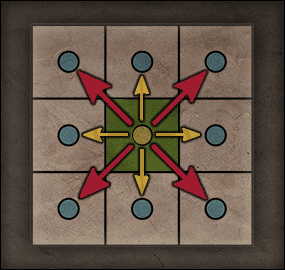
Overall squares work best with most games IMHO. The only real drawback is diagonal movement - you either need to do the moderately fiddley 1.5 move (Pathfinder) or just ignore geometry and treat movement in any direction the same (5E). Neither approach is ideal, but both work fine.
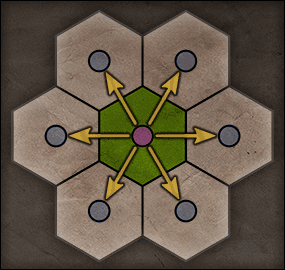
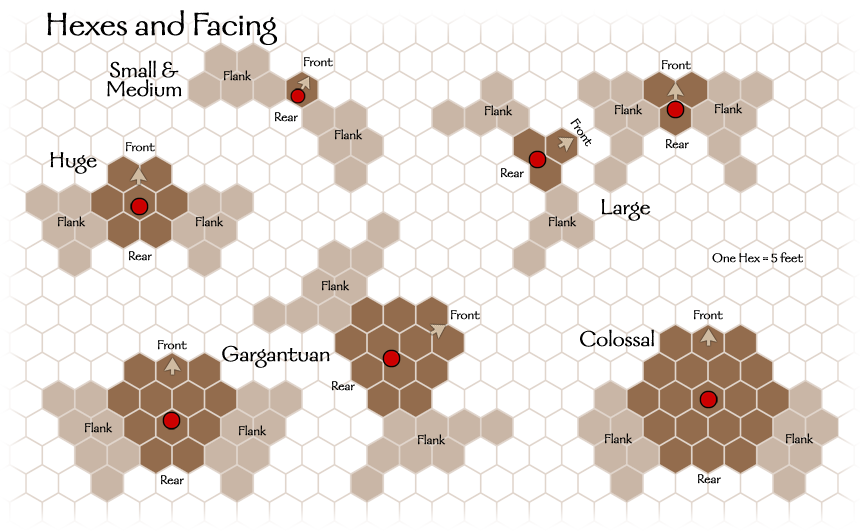
Hexes handle diagonal movement better but don't work well with the right angles that are common in dungeons and building interiors. Its easy to lay a grid over most dungeon maps, but with a hex overlay you get a lot of half spaces. For a game that is mostly about fighting in open spaces (e.g. Battletech) hexes are the way to go, but for a D&D/Pathfinder type game squares work better.
Zones are fine if you don't have or want maps, but you obviously only get the most basic details. I tend to play on a VTT where maps are easy, and I can't see a situation where I would use zones over a grid/hex map.