
Keeping Track of Time (In Game)

Depends on the game. Recent Fantasy type RPGs often turn into the discussions about the 5 minute day. Traveller is generally more about how many days have passed as characters track progress on the next skill increase. When jumps take a week, there is a lot of down time for self improvement.

Tracking time during action can be for spell duration, casting time, fatigue, time after calling for an artillery strike before the shells start impacting, attempts to do something to that poor door, or even healing that character that failed at trap removal.

During non action, time tracking often isn't that important. More like is it breakfast, lunch, dinner, time for bed. Unless hobbits are involved, then there are additional meal times.

I have seen the GM do it all and other times where the GM asks one of the players to track the number of time units since X. In one group, I try to note time and place for when the game ended. Another group, the GM does that.
 

log in or register to remove this ad

The last campaign I ran (D&D 5e), I kept track of time through seasons. At the end of each section, I had them focus on long term goals and then used a random table chart to show what happened during the month or two of downtime. This also allowed me as a DM to move time forward. A typical chart looked like this:


Town Debaucher

Some adventurers like to rest during their off time. But that doesn’t mean they don’t get up to shenanigans. This option is for the adventurer(s) that wants to lay around and use their wealth to live it up in the city of Joshua Tree telling tales of their survival against the displacer beasts and skeletons.
Use the following table to help determine what boon the adventurer(s) might receive during this debaucherous time. Roll a performance check (Performance DC 10). The number of consecutive successes determines the results. If the PC fails, they stop the checks.


Town Debaucher
0 successesWhile the first week of the two months spent was fantastic, basically full of people buying you drinks and trying to woo you, after that, the crowd’s admiration fell off. Many nights were spent alone in a tavern, drunk, and trying to impress the bartender, who all but ignored you.
1 successFor a month you swooned and swayed crowds with your tales of heroism. They bought you drinks and hung on to your every word. For the second month, not so much. That said, many people admire you for what you have done, and have offered to supplement your income. You gain 100 gold for the two months and also gain twenty pounds due to being fed large meals everywhere you go.
2 successesFor two months the city of Joshua Tree came in throngs to see you tell your tales at stages and taverns. They bought you food, drinks, rooms for the night (many offered their rooms!). But one person in particular, a noble businessman named Hazim, offered to go into business with you. He would make trinkets and clothes and use your name to sell them. It now earns you 50 gold each month for one year.
3+ successesFor two months the citizens of Joshua Tree have been enthralled with your tales. They have bought you food, drink, rooms, and offered many a hands in marriage. One such hand, should you accept, happens to be the Sovereign’s daughter (Dalilah). She snuck off to see you and fell in love. The Sovereign, Yazid, has accepted this, and will offer to marry you two and give you an official title should you say yes. With this title, you earn 100 gold a month for doing nothing.

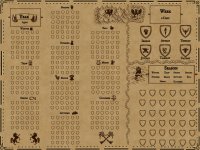
That was for a specific campaign, where time was short. We finished in four months. So we had to keep it moving. For longer campaigns in my own world, I use a traditional calendar. Of course, different regions have different calendars. Here is one example:
 

Attachments

  • Allor Calendar - Frostcliff.jpg
    Allor Calendar - Frostcliff.jpg
    1.8 MB · Views: 1

Remove ads

Top





