Here is a typical loadout for my group (Not 100% but pretty close)..
Bard:
1. Shield, Cure Wounds.
2.
Hold Person,
Moonbeam, See Invisibility
3. Counterspell, Dispel Magic, Revivify
4.
Polymorph,
Banishment,
Greater Invisibility.
5.
Hold Monster,
Wall of Force
6.
Wind Walk, Greater Restoration,
Otto's Irresistible Dance
7. Magnificent Mansion, Regenerate
Very Common Casts: Vicious Mockery, Moonbeam, Hold Person, Shield.
Common Casts: Counterspell, Wind Walk, Greater Invisibility, Banishment.
The bard has a lot of concentration spells, and mostly uses Moonbeam. However he can also be niggly to hit due to Cutting Words + Shield. After almost killing him a couple of times, he takes great care of positioning now, making sure to put full cover between him and foes.
Wizard:
1. Magic Missile, Shield
2. Mirror Image, Scorching Ray, See invisibility,
Hold Person, Misty Step
3. Fireball, Counterspell, Dispel Magic, Blink
4.
Banishment,
Evard's Black Tentacles,
Wall of Fire
5.
Bigby's Hand,
Wall of Force
6. Chain Lightning,
Sunbeam
7. Forcecage, Teleport
Very Common Casts: Firebolt, Acid Splash, Shield, Fireball,
Detect Magic (R)
Common Casts:
Hold Person, Counterspell,
Banishment,
Wall of Fire,
Wall of Force,
Sunbeam
The Wizard is often casting cantrips and fireballs, but he does cast a few concentration spells when the going gets tough. It's very difficult to break his concentration when he has it due to Arcane Ward.
Cleric:
Domain Spells:
1 Burning Hands,
Faerie Fire
2
Flaming Sphere, Scorching Ray
3 Daylight, Fireball
4 Guardian of Faith,
Wall of Fire.
Prepared Spells:
1 Cure Wounds, Healing Word,
Bless
2
Silence, Spiritual Weapon
3 Mass Healing Word,
Protection from Energy,
Spirit Guardians, Revivify
4 Death Ward,
Banishment, Freedom of Movement
5 Greater Restoration,
Dispel Evil and Good, Mass Cure Wounds
6 Word of Recall, Heal
7
Etherealness
Very Common Casts: Sacred Flame,
Bless, Fireball, Spiritual Weapon, Death Ward
Common Casts:
Banishment,
Spirit Guardians
Cleric basically uses her concentration slot for bless, spiritual weapon is a very efficient damage boost that doesn't require concentration, and her potent sacred flame does a lot of damage. She takes care of positioning and uses her warding flare to stop monsters breaking her or other party members concentration.
Other considerations:
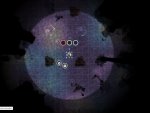
I use Roll20 with dynamic lightning. This means monsters don't have god mode vision and can only attack what they can see. I also create maps that have a lot of cover and terrain features such as this: