Not sure what you mean here? (And who is Frank?).
I'm Frank. I was trying to offer an idea that covered some of what I do in a sandbox campaign to save time up above. But maybe it was just too garbled.
When I sandbox, I don't build the world much ahead of time. That takes too much time. I fill it in as the party explores. I see it like the fog of war in a computer game; if the party hasn't been there yet, and might never go there, I best not spend tons of limited time developing that spot.
Maybe that's not sandboxing to most people. To me, giving the players the options to do whatever they like, explore wherever they like, is sandboxing. I know the overarching concerns of the world (after I've built it based on what they tell me they want to play), and I know the themes and the major players and factions, but I don't fill in every hex with details until the party gets there. And my trick is that I have in my head a couple different scenarios per session, and no matter where the party goes, one of those scenarios is somehow adapted to where the party ends up and what they do.
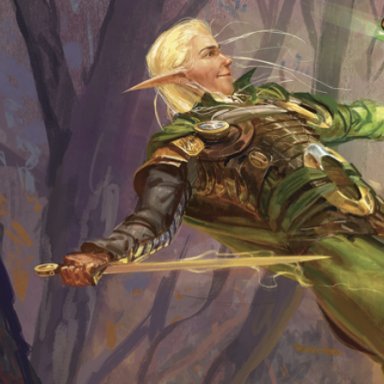
It's a lot of fun for me. I never know what's going to end up where, how things are going to be connected, who's going to die, who's going to see what. For instance, in the campaign I ran when I was out in Buffalo, I knew that Far Realm forces were infiltrating the elven empire. But that wasn't supposed to be revealed for a long time. Then, in the very first session, the elven ranger makes two natural 20 spot checks in a row while glancing behind the arras in a palace dressing chamber. Wow! So, I went with it, told him that he saw the castellan's head lift up out of his body, dangling a gory spine, then float over to a new headless body and insert itself. It changed the whole tenor of the campaign! Of course the PCs were discovered, and chased, and ended up spending levels 1-7 hiding out in the lands of dwarves and men far to the south. So there is that bit of wonder and surprise that comes from my method.
Anyway, yeah, that's what I was trying to offer. Sorry if it didn't come through (and especially sorry if it's still not coming through).