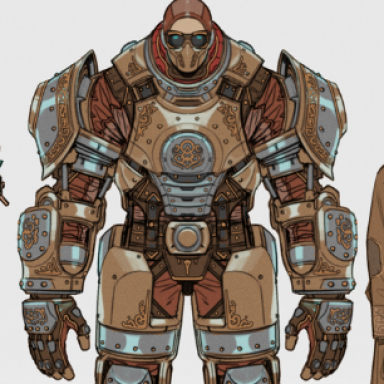
Haltherrion
First Post
(Someone asked for more information on my comment about starting a campaign with card draws to seed information on higher level characters. Thread 112666. We used a card based system that made for an entertaining character creation session and ensured that the PCs had useful and unique backgrounds.)
We recently started a fairly highlevel campaign (class level about 8 but the PCs could have various templates so the ECL was more like 12). In order to help get these higher level PCs going we used a rather elaborate, one might even say absurdedly complicated, character creation system.
This system evolved from a "draft" concept we've used over the years where players select a figure which comes with a set of stats and depending on the exact draft rules, maybe some background and some items. The request was for info on how we seeded background with a card system so I'll focus on that but the full draft rules can be found here and why we use drafts here.
As part of the draft, players would draw for six card triplets from a total pool of 36 triplets (there are six players, convenient, eh?). These triplets consist of a figure card which has a picture of the figure (we have an excellent painter in the group), a suit card and a bonus card. The figure card was face up but the other two were face down. Players could trade triplets at any time (in practice, trade only happened after all six triplets were drawn).
The figure cards gave race stats (we used some exotic races in this campaign).
The suit cards come in four suits and provide both specific character info like starting gold, stats, etc but also some backstory (more on this below).
The bonus cards provided a little extra for any given figure from skill and feat bonuses to ECL bonuses. They also allowed some races to be played as good instead of evil or as sanctified. The purpose of the bonus card was to get people to take a figure they might not otherwise take (worked for me: I took a half-fiend, half-celestial because she was ECL -2, the best bonus card in the bunch. Would not have taken her otherwise.)
The suit cards are what seed background for the characters. The number of cards of each suit that you have determine various things. Stars cards determined your starting stats. Gems cards determined your starting wealth. Swords cards determined your hero points. Dragon cards gave bonuses on dragon cohorts and the like (this was a campaign designed to allow some dragon PCs and dragon mounts.)
In addition, each suit card has text on it (example) that provides a specific bit of character history, often with benefits like membership in a guild or a bonus or penalty on certain relationships.
Each PC will have six suit cards which together define stats, gold, hero points and dragon stuff. If you wanted great stats, you could trade and select for stars cards but you'd be lower on gold, dragon and HP, for instance. These six suit cards also gave you six bits of background that you worked into your background story.
With these six cards, the player and the ref would together create a 1-3 page background for the character.
One other concept I haven't previously mentioned: players actually created a portfolio of six characteres. Remember, the players drew for six card triplets. Each triplet included a figure card (ie a character) plus the bonus and suit cards. The player selects one of the six to be his PC. The suit cards all apply to this one PC. The player then takes the other five figure cards and uses them as:
1) a backup PC
2) two friends
3) two foes
High level PCs should have made a mark on the world and this portfolio concept starts the PC with a set of buddies and enemies.
You can find the six portfolios used in the game here. There are links from here to individual stories created from the suit cards. Here is one example. These were all created before game start and have not been modified since. The example story ties in Suchet's suit cards that indicated a world renown love affair, a world renown heroic stand and status as the greatest war hero of the realm (and three others).
An obvious question: how long does this take to set up and execute? The answer: a reeeeally long time. I created the world and the draft simultaneously but it took about four months and more than half of that went into the draft. That is not to mention the 36 figures our painter created which was probably 500 hours of his time.
The draft itself took a four hour session and creating the backgrounds took about two weeks by email with back and forth between me and the players.
This isn't for everyone but it gave the PCs unique backgrounds that were tied into the world and came with ready made foes (we have used a number of foes all ready). I'm very happy with the outcome and the players seem to be as well.
If anyone wants to consider something like this for their world, I'd be happy to discuss some of the thoughts behind the system that I haven't gone into here.
You could use the card system apart from all the other stuff but realize that this particular system was crafted so that there was no one optimal solution- players had to consider figure selection (for instance no player wanted to play the green dragon in the draft), and bonus cards and the suit cards had both interesting effects unique to the card plus effects determined by the number of a certain suit you held. These multiple constraints made for a relatively balanced system that could not be exploited by anyone in general (there was one mistake- saint and firstborn were a bad combination ;-)
We recently started a fairly highlevel campaign (class level about 8 but the PCs could have various templates so the ECL was more like 12). In order to help get these higher level PCs going we used a rather elaborate, one might even say absurdedly complicated, character creation system.
This system evolved from a "draft" concept we've used over the years where players select a figure which comes with a set of stats and depending on the exact draft rules, maybe some background and some items. The request was for info on how we seeded background with a card system so I'll focus on that but the full draft rules can be found here and why we use drafts here.
As part of the draft, players would draw for six card triplets from a total pool of 36 triplets (there are six players, convenient, eh?). These triplets consist of a figure card which has a picture of the figure (we have an excellent painter in the group), a suit card and a bonus card. The figure card was face up but the other two were face down. Players could trade triplets at any time (in practice, trade only happened after all six triplets were drawn).
The figure cards gave race stats (we used some exotic races in this campaign).
The suit cards come in four suits and provide both specific character info like starting gold, stats, etc but also some backstory (more on this below).
The bonus cards provided a little extra for any given figure from skill and feat bonuses to ECL bonuses. They also allowed some races to be played as good instead of evil or as sanctified. The purpose of the bonus card was to get people to take a figure they might not otherwise take (worked for me: I took a half-fiend, half-celestial because she was ECL -2, the best bonus card in the bunch. Would not have taken her otherwise.)
The suit cards are what seed background for the characters. The number of cards of each suit that you have determine various things. Stars cards determined your starting stats. Gems cards determined your starting wealth. Swords cards determined your hero points. Dragon cards gave bonuses on dragon cohorts and the like (this was a campaign designed to allow some dragon PCs and dragon mounts.)
In addition, each suit card has text on it (example) that provides a specific bit of character history, often with benefits like membership in a guild or a bonus or penalty on certain relationships.
Each PC will have six suit cards which together define stats, gold, hero points and dragon stuff. If you wanted great stats, you could trade and select for stars cards but you'd be lower on gold, dragon and HP, for instance. These six suit cards also gave you six bits of background that you worked into your background story.
With these six cards, the player and the ref would together create a 1-3 page background for the character.
One other concept I haven't previously mentioned: players actually created a portfolio of six characteres. Remember, the players drew for six card triplets. Each triplet included a figure card (ie a character) plus the bonus and suit cards. The player selects one of the six to be his PC. The suit cards all apply to this one PC. The player then takes the other five figure cards and uses them as:
1) a backup PC
2) two friends
3) two foes
High level PCs should have made a mark on the world and this portfolio concept starts the PC with a set of buddies and enemies.
You can find the six portfolios used in the game here. There are links from here to individual stories created from the suit cards. Here is one example. These were all created before game start and have not been modified since. The example story ties in Suchet's suit cards that indicated a world renown love affair, a world renown heroic stand and status as the greatest war hero of the realm (and three others).
An obvious question: how long does this take to set up and execute? The answer: a reeeeally long time. I created the world and the draft simultaneously but it took about four months and more than half of that went into the draft. That is not to mention the 36 figures our painter created which was probably 500 hours of his time.
The draft itself took a four hour session and creating the backgrounds took about two weeks by email with back and forth between me and the players.
This isn't for everyone but it gave the PCs unique backgrounds that were tied into the world and came with ready made foes (we have used a number of foes all ready). I'm very happy with the outcome and the players seem to be as well.
If anyone wants to consider something like this for their world, I'd be happy to discuss some of the thoughts behind the system that I haven't gone into here.
You could use the card system apart from all the other stuff but realize that this particular system was crafted so that there was no one optimal solution- players had to consider figure selection (for instance no player wanted to play the green dragon in the draft), and bonus cards and the suit cards had both interesting effects unique to the card plus effects determined by the number of a certain suit you held. These multiple constraints made for a relatively balanced system that could not be exploited by anyone in general (there was one mistake- saint and firstborn were a bad combination ;-)
Last edited:


 )
)