Continuing the trend of producing high quality PDF products at affordable prices, The Game Mechanics have produced another unique book in the form of Cromagh's Guide to Goblinoids. This book is one of the most puzzling choices in the company's d20 lineup this year as it caters to a truly niche group: gamers that use goblinoids. While goblinoids are a staple of fantasy gaming, certainly a whole book dedicated to the irksome creatures seems to be overkill. Though this is truly one reader's own bias, it may be indicative of a larger problem with the premise of the book: is the book geared toward an audience that is likely to truly need the book? Despite this initial problem, diving into the book proves that even if the subject matter is not the best choice the book itself is both thorough and unique.
The introductory chapter begins with an insightful description of goblinoid culture, meaning the lifestyles and philosophies of goblins, hobgoblins, and bugbears. This section tackles everything from basic histories and societies to psychology and religion, helping shape a consistent view of the goblinoid mental state and how it shapes their use in roleplaying games. It is interesting to note that this section is the most useful in distinguishing the three type of goblinoids from one another. Since many gamers, myself included, would be hard pressed to give detailed descriptions about the way the three races differ, after reading the book it is much more clear where the lines between the groups are drawn.
Chapter 1 approaches the three species from a standpoint of the monsters as player characters. The chapter provides lots of new feats, prestige classes, equipment, and magic items for players to choose from. In fact, the chapter is so thorough that it overshadows the rest of the book, meaning that a more appropriate name for the supplement would be "Cromagh's Guide to Playing Goblinoids." Unfortunately, some of the prestige classes and feats seem a little bland for most gamers, while others offer strange mechanics, such as the Bolt feat, that could potentially cause problems when used in an actual game. Still, among the rough spots in the chapter are several gems. The Goblin Scrimshaw, for example, is a fantastic example of how spellcasters should be tailored to their individual societies; this unique prestige class helps create goblin spellslingers that engrave their magic on the skulls of fallen comrades and enemies and essentially create alternate versions of scrolls that help add flavor to the character along with a mechanical aspect to give fans of the crunchy bits a new toy to play with. The chapter offers everything a goblinoid player might want or need over the course of an entire campaign.
Unfortunately, Chapter 2 is less stellar than the previous one, making it a slightly harder read. Geared toward DMs more than players, the section is mostly about using goblinoids as adversaries in combat. One nice section includes some typical tactics used by goblinoids and even generic encounters that can be dropped into any campaign, providing plug-and-play sections that make prep time so much easier. Unfortunately, there just isn't enough of this kind of thing and the bulk of the chapter is taken up with sample NPCs. These characters are interesting, but could have been done away with in favor of more useful bits. Creating a goblinoid NPC is not that difficult a task, and though the adventure hooks and backstories that come with the NPCs could be useful the space would have been better used for more generic encounters and tactics that can be applied to the DM's own adventures. This is not to say that the chapter isn't solid, but rather that it doesn't have the flair and unique flavor of the previous chapter.
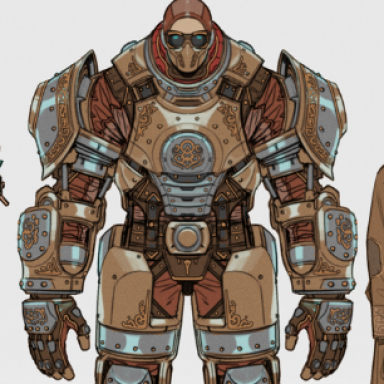
Once again, The Game Mechanics' chosen artist, Clarence Harrison, does a fantastic job mimicking the style of official WotC releases and is truly a top-notch artist. Most of the artwork feels like it was pulled from the splatbooks (Sword & Fist, Defenders of the Faith, et al) and is both clear and provides a good visualization for sometimes strange concepts. The cartography is solid, if somewhat rare, meaning that visually the book is pleasant to look at and informative as well. The layout is unobtrusive and each section feels like the non-text portions not covering for a lack of actual content.
Cromagh's commentary throughout the book is one of the high points. Since the book is supposed to be written from the perspective of Cromagh, a half-orc barbarian that originated as JD Wiker's own player character, these short commentary sidebars give the book a unique feel and sense of humor that would have left the book a little dry in its absence. Additionally, the characterization of the barbarian is spot-on, and even the crude humor used throughout the book has a certain degree of subtelty (and perfect consistency) that makes it seem as though there really was a barbarian dictating to a secretary regarding goblinoids. For example, this quote is one of my favorites from the book: "Goblinoids aren’t the only ones who know how to [take trophies], of course. They’re just best known for it. For example, Cromagh collects trophies, too. He just doesn’t use them in combat. What’s the point? Your average troll isn’t terribly intimidated by a half-orc wearing women’s undergarments on his head. Take Cromagh’s word for it." Took you a second to put two and two together, didn't it? Unfortunately, this commentary drops off after the first chapter and is far too rare later in the book, meaning that the section is noticeably lacking in the barbarian's presence.
In summary, Cromagh's Guide to Goblinoids is a solid text that provides everything a DM or player needs to include goblinoids in the campaign. However, due to the limited nature of the subject matter as well as a few disappointing choices made for the second chapter, the book won't be for everyone. If your campaign uses goblinoids, the book will take that aspect to new heights. If not, it may provide some ideas, but may be passed over in favor of one of the company's previous offerings. Again, the book is very affordable and professional in quality, so if you have a spare $5 it is well worth picking up for some light reading.