I have a shiny new player as well, and here's what I told her.
1) Don't try and remember everything. Most rules can only be demonstrated during gameplay, and without seeing how they work, they're pretty much meaningless to a new player.
2) Make sure the player knows her character sheet - try and give her one that has an "old school" style with as little information as possible on the front. Highlight the important parts, ie Total Attack Bonus for melee and ranged, Hit Points, Defense, and the damage of her chosen weapons. When it's time for skill checks, ask "Do you have any skills you think might be relevant?" This forces the player to read and re-read her sheet, which is what you want.
3) Role-playing is a skill; don't try for an Oscar on your first day. If you're running a socially focused campaign that required a lot of PC/NPC interaction, make certain to involve the player, at least a little. I am guilty of forgetting to address my new player because she's actually quite shy and unsure of how to role-play her character. Plus, she made a brickhouse with little personality besides. I can't stress this enough: Unless your player *wants* to be ignored while she gets the feel of the game, make sure she has at least a) a supporting NPC to chat with b) a chance to showcase her skills and c) a say in plans the PC's make.
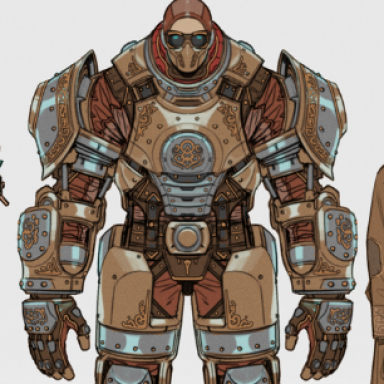
OTOH, if you're running a hack n' slash style game, the above is just as important plus one more: make her aware of her combat options. Don't be secretive when it comes to what attacks will work on your monsters. For example, last night, my player assumed that because she had a longsword, she couldn't damage a robot. In essence, this is correct - the robot had Hardness 10, but she had +8 to damage in bonuses AND her sword has the Shock ability which did another d8 (house rule). She was going to eschew attacking it altogether, assuming she'd be worthless. I told her, "You'll never know unless you try, but you can also punch, wrestle, push it around, knock it down, or you COULD try your sword and see what happens."
Your players should be your co-GM's when walking her through her options. Ask them to support her and get her to direct her game questions to them. This frees your time to do your GMing job without puasing every few miutes to answer questions you know could be found in the PHB.
- Dru